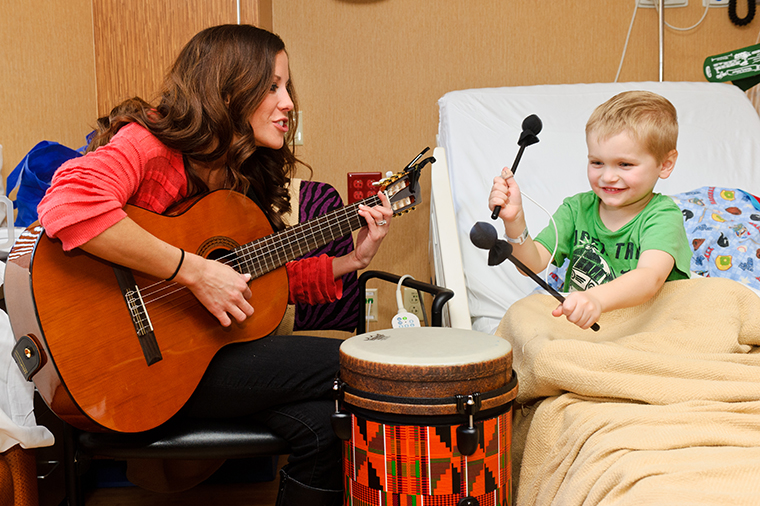
When you are out of words but you need to express yourself, you would most likely communicate your emotions by listening, singing, or moving to music.
Music always conveys an emotion, and people listen to it because it is an emotion that they can relate to and feel, without themselves knowing it, which is why it is used as a form of therapy to manage several medical conditions. It’s effectiveness is supported in areas such as physical rehabilitation, increasing people’s motivation to be engaged in their treatement, providing emotional support and most importantly, an outlet for expression of feelings.
Within therapy, music within a person’s culture is known to be more effective as different types of music evoke a different stimulation within the body.
Though there are several disorders which music can have a positive impact towards, I would mainly be focusing on common ones such as: Dementia, Depression and Insomnia.
Dementia is a loss of cognitive function, and can affect the memory, decision making, thinking, verbal communication, judgement and reasoning of a person. Music therapy is known to reduce symptoms such as aggressive behaviour and improve mood and cooperation with routine tasks. It may also decrease the risk of heart or brain diseases for the senior patients with dementia.
Along with that, depression is another disorder, however, it directly connects to the mood, which music can instantly connect to with its therapeutic effects. It is a disorder that interferes with an individual’s every aspect such as thoughts, behaviour, mood, physical health, and normal habits such as eating and sleeping. Music therapy also helps increase the response towards medication. For senior patients going through depression, a music therapy program holds long-lasting effects on them. For women suffering from depression, music therapy helps reduce heart rate, blood pressure, depressed mood and respiratory rate. Not only depression but when you feel angry or anxious or other moods, music can always help feel better.
You come home from school and you have a lot of homework, so you stay up late. When its time to sleep, you may have difficulty sleeping or waking up so early for school the next day. This is also known as insomnia and is a disorder that music can also reduce. If the condition does get worse, it may affect an individual’s performance the next day, such as you not being able to pay attention in class and having difficulty learning and remembering. Music has significantly resulted in an increased efficiency in sleeping, longer sleep duration, less disturbance, shorter time needed to fall asleep by listening to meditation music.
My father is a person who has recently been hospitalized, also followed the path of music to help in his recovery, as shown in this interview:
Question: “Would you please tell me about your hospitalization and what role music had on the road to recovery?”
Answer: ” I was in the hospital for 7 weeks, and out of which I was not mobile was 3 whole weeks. I listened to soothing music every now and then to keep myself busy and distracted”
Question: “How often did you listen to music in the hospital”
Answer: “About 3-4 hours a day”
Question: “What type of music did you listen to?”
Answer: “I listened to Hindi music, the radio and some devotional music to soothe my soul”
Question: “Do you think to listen to music had any impact on you?”
Answer” Yes, as the devotional music kept me positive, old romantic songs made me feel lighter and happier, and upbeat and pop music gave energy to me and motivated me while doing physiotherapy”.
 Psychology of Music
Leave a comment